
 Business License

FRP vs Galvanized Grating for Car Wash Bays
A twelve lane wash chain in Eastern Europe resurfaced its pit covers some time ago with hot dip galvanized grating because the price per square meter looked attractive. Eighteen months later, the zinc layer over the wheel tracks had broken through to bare steel, and rust stains were running into the collection channel.
The operator replaced 340 square meters at full cost, on top of the original spend. Nothing had been installed wrong. The material was simply matched to the wrong chemical load.
This comparison sets out where FRP vs galvanized wash grating genuinely differs, why the car wash grating material choice turns on chemistry rather than on price per panel, and which zones of a bay punish wash bay grating corrosion most.
1. FRP vs Galvanized Wash Grating: The Short Answer
Galvanized steel wins on stiffness per dollar and on span. A 30 mm galvanized bar can cross 1200 mm without visible sag, which lets a builder use fewer supports. FRP wins on chemical tolerance and on weight, since a molded panel of the same depth weighs roughly 40 percent less and carries no zinc layer to consume.
For a dry inspection walkway, that difference rarely matters. For a bay where detergent, wax solvent and road salt land on the deck every day, it decides the replacement cycle. The FRP vs galvanized wash grating question is therefore less about strength than about how long each material holds its surface in a wet, alkaline, mildly acidic cycle.
A useful starting point is the chemistry that actually reaches the deck, because most of it is not clean water. Reading the FRP vs galvanized wash grating decision against that chemistry settles more arguments than any strength calculation. Our team at Junping Environmental Protection Equipment routinely asks a buyer for the detergent and wheel acid data sheets before quoting a wash deck, and the answer often changes the material.
| Agent | Typical value | Effect on zinc | Effect on FRP |
|---|---|---|---|
| Detergent | pH 9 to 12 | Slow attack above pH 12 | No measurable attack |
| Wheel acid | pH 2 to 4 | Rapid zinc consumption | Within isophthalic range |
| Wax solvent | Aromatic blend | Coating blistering | Surface swelling on poor resin |
| Road salt | Chloride rich | Pitting at cut edges | No electrochemical cell |
2. Wash Bay Grating Corrosion and What Drives It
Wash bay grating corrosion is driven by three conditions acting together: standing moisture, chloride, and pH swing. Any one of them alone is manageable. Combined in a pit that never fully dries, they shorten zinc life from the twenty year range down to single digits, which is the pattern most wash bay grating corrosion reports describe.
Zinc protects steel by sacrificial action, which means the coating consumes itself as it protects. In a dry inland setting that consumption runs slowly. In a bay fed by winter road salt and wheel acid, field observation puts it closer to 8 to 12 micrometres a year, against an original coating of 65 to 85 micrometres.
Once the zinc is gone at a cut edge or a weld, corrosion turns galvanic and localised. That is why the failure pattern in the opening example appeared over the wheel tracks rather than across the whole deck.
3. Car Wash Grating Material Choice by Lane Type
Not every lane carries the same load. A self serve bay, an automatic rollover and a hand finish area each put a different mix on the deck, and the car wash grating material choice should follow that mix.
Self serve bays see the widest pH range, because customers use wheel acid and tire shine without supervision. Automatic rollovers deliver a steady detergent load with heavy mechanical abrasion from brushes and blowers. Hand finish areas see wax and drying agents, which are less aggressive but leave a film that holds grit against the surface.
| Lane type | Dominant load | Galvanized life | FRP life |
|---|---|---|---|
| Self serve | pH 2 to 12 swing | 4 to 6 years | 12 years or more |
| Automatic rollover | Detergent plus abrasion | 6 to 9 years | 12 years or more |
| Hand finish | Wax film and grit | 8 to 12 years | 12 years or more |
| Dry vacuum apron | Occasional spill | 15 years or more | 15 years or more |
That table explains why mixed sites often split the specification. A chain that runs both self serve and a dry vacuum apron may put galvanized under the apron and FRP under the wet lanes, and the split usually costs less than a uniform upgrade. In the car wash grating material choice for those sites, the deciding line is almost always wheel acid rather than detergent.
4. Galvanized Wash Grating and Coating Life
Galvanized wash grating has one strong argument beyond price: it tolerates heat and it does not burn. For a bay that also serves as a service area with welding or grinding nearby, that matters.
Its weakness sits at the edges. Sheared and welded ends expose bare steel, and those points begin to rust first. A site that seals cut edges with zinc rich paint extends coating life by roughly two to three years in a wet bay, at a small material cost and a real labour cost.
Coating thickness is worth checking on delivery. A hot dip coating below 60 micrometres on a wash deck is a short service life waiting to happen, and a simple magnetic gauge check on ten bars catches most supplier variation.
5. FRP Grating Behaviour Under Pressure Wash
A pressure wash at 80 to 120 bar tests the surface rather than the structure. Molded FRP with a grit top holds up well, because the silica is bonded into the resin rather than applied over it. A smooth top panel in the same bay becomes hazardous within a season, since the water film has nowhere to go. That single difference explains most of the FRP vs galvanized wash grating decisions made on safety grounds rather than cost grounds.
There is one FRP weakness worth naming. Gel coat and resin surfaces chalk under UV, and a bay with south facing glazing can show colour fade within two to three years. The fade is cosmetic and does not change the load rating, but buyers should know it before they compare a five year old FRP deck against a new photograph.
Impact is the other consideration. A dropped wheel or a steel tool can crack a panel at a bar junction, and the crack will not show until the bar flexes. Inspecting the wheel track lines twice a year catches most of it.
6. Corrosion Zones in a Wash Bay
Treating the whole bay as one environment overspends in some places and underspends in others. Four zones behave differently, and mapping them before specification usually saves 10 to 20 percent on material.
| Zone | Exposure | Recommended material |
|---|---|---|
| Entry ramp | Road salt, grit, impact | 38 mm FRP with grit top |
| Wheel track | Acid, abrasion, load | 38 mm FRP, vinyl ester option |
| Central drain | Standing effluent, foam | FRP, or stainless where heat is present |
| Exit apron | Wax film, low moisture | Galvanized or FRP |
Zone mapping is the practical form of wash bay grating corrosion control, because it spends money where the chemistry is worst. A site that maps its zones can also stage replacement. Zones that fail first get upgraded, and zones that hold get left alone, which spreads capital across two or three budget cycles instead of one.
7. Cost Over Ten Years: Material Choice
Purchase price favours steel by a wide margin. A 30 mm hot dip galvanized panel typically lands at US$28 to 40 per square meter, while a 38 mm molded FRP panel sits near US$48 to 70. On a 300 square meter bay that gap is real money.
The gap closes when replacement enters the calculation. Galvanized at a five year cycle over a decade means two full replacements, each with removal labour, disposal and lost trading days. FRP at a twelve year life means none.
| Item | Galvanized, 5 year cycle | FRP, 12 year life |
|---|---|---|
| First install, 300 m2 | US$9,000 to 12,000 | US$14,400 to 21,000 |
| Replacement within 10 years | Two cycles | None |
| Labour per replacement | US$2,500 to 4,000 | Not incurred |
| Trading days lost | 3 to 5 per cycle | None |
The arithmetic is sensitive to bay utilisation, and it is the part of the car wash grating material choice that buyers most often skip. Where a lane earns US$600 a day, three lost days per cycle costs more than the material difference on its own, which is why high traffic chains tend to move to FRP first. Junping runs this comparison with buyers on a simple ten year sheet, and the crossover point usually lands between four and six years.
8. Grating Surface Wear and Slip in Wet Bays
Slip resistance falls faster than structure in any wash bay. Water, foam and wax form a film that a smooth bar cannot shed, and the film thickness grows with every vehicle.
A smooth FRP top measures around 0.4 on a wet pendulum test. A grit top measures 0.7 or higher, and a concave top sits near 0.5 because the dish holds water away from the boot contact patch. Galvanized serrated bar starts near 0.55 and drops as the serrations round off under traffic.
Grit loading also traps fine sediment. A bay that pressure washes daily clears it. A bay that sweeps once a week will find the grit channels packed within a season, which reduces the friction gain the buyer paid for.
Wear rate is worth recording during the first year. A monthly friction reading at three points on the wheel track gives a baseline, and the trend tells a manager whether the surface or the drainage is the real problem. That record also makes the next car wash grating material choice an evidence based decision rather than a repeat of the last purchase, which is the approach Junping recommends in its handover notes.
9. Load Rating and Fixing on a Wash Grating Deck
Vehicle loads change the specification more than foot traffic does. A passenger car tyre contact patch transmits roughly 3 to 4 kN, and a loaded van can push that past 6 kN. Panels over a pit need a support grid that keeps deflection under about 10 mm at those figures.
Fixing detail matters as much as panel depth. A panel that sits loose in a steel frame will move under braking, and movement wears both the panel edge and the frame coating. Stainless clips at 300 mm centres, anchored into the frame rather than through the panel, hold position without drilling the load bars.
Zaoqiang Junping Environmental Protection Equipment LLC supplies wash bay panels with pre-drilled clip positions marked on the shop drawing, so the installer does not decide the fixing layout on site. That single detail removes a common source of callbacks.
10. FAQ: Wash Bay Material Questions
10.1 Is FRP vs galvanized wash grating a straightforward cost comparison?
Not really, because the two materials do not fail in the same way or on the same schedule. Galvanized steel fails by coating consumption, which is predictable once you know the chloride and pH load. FRP fails by surface wear, impact cracking or UV chalking, and none of those remove load capacity quickly. A fair comparison therefore needs a replacement cycle for steel and an inspection routine for FRP, not just two prices per square meter, since a five year cycle against a twelve year life changes the answer more than any unit price does.
10.2 How do I judge car wash grating material choice for a mixed site?
Map the site by zone before choosing. Wet lanes with wheel acid point toward FRP with a grit top, dry aprons and vacuum areas can stay galvanized, and central drains may need stainless if hot effluent is present. Mixed sites usually end up with two materials rather than one, and that split typically costs less than a uniform FRP upgrade while lasting longer than a uniform galvanized one. Zones that see wheel acid are the ones that decide the material for the whole lane.
10.3 What accelerates wash bay grating corrosion most?
Wheel acid at pH 2 to 4 does more damage than detergent, because it attacks zinc directly and locally. Standing effluent in a pit that never dries is the second factor, since it keeps the surface wet between washes. Cut edges and welds without sealant are the third, because they expose bare steel where the galvanic cell starts. Controlling any one of the three extends coating life, and controlling all three can double it, though a pit slope that lets effluent drain between washes does as much as a better coating.
10.4 Can galvanized grating be coated to match FRP life?
A zinc rich sealer or an epoxy coat on a galvanized panel adds two to four years in a wet bay, depending on film thickness and surface preparation. It does not reach the twelve year band, because mechanical abrasion under tyres removes coating from the high traffic lines regardless of chemistry. Coating is a sensible move on a deck that is otherwise sound, but it is a repair strategy rather than a substitute for material selection. Budget the recoating as maintenance, not as a capital upgrade.
Recently Posted
-
Car Wash Grating Layout: Slope, Pit Depth and Flow
November 3, 2026A three bay site opened with new grating over the old pit, and by the second weekend water stood 40 mm deep at the entrance to bay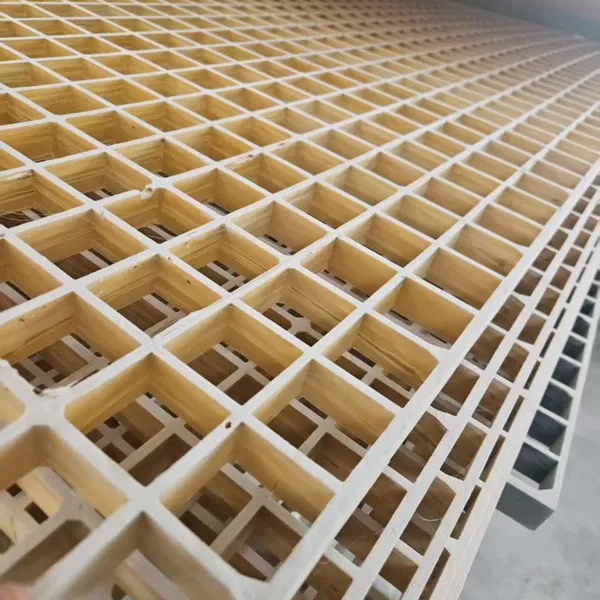 Read More
-
SMC Water Tank Panel Thickness and Pressure Ratings
November 3, 2026A contractor in East Africa specified a 4 metre high panel tank on one 8 mm wall schedule from top to bottom, because the drawing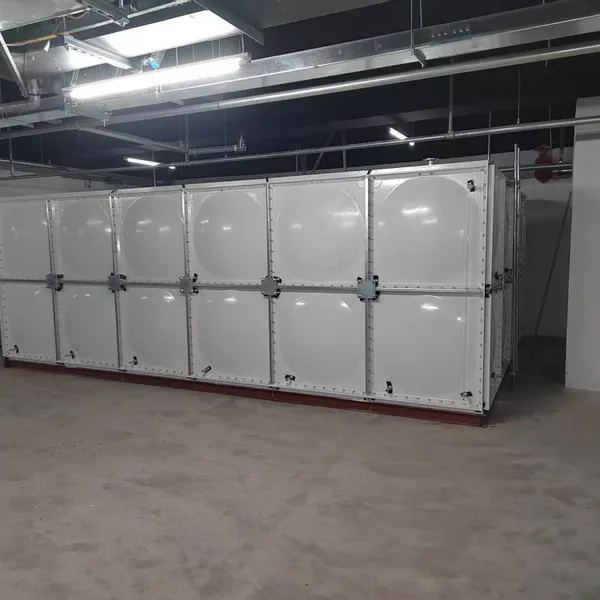 Read More
-
Sourcing FRP Grating: MOQ, Lead Time and Inspection Points
November 3, 2026A buyer in Southeast Asia ordered 120 square meters of molded grating and asked for a delivery date in three weeks. The supplier c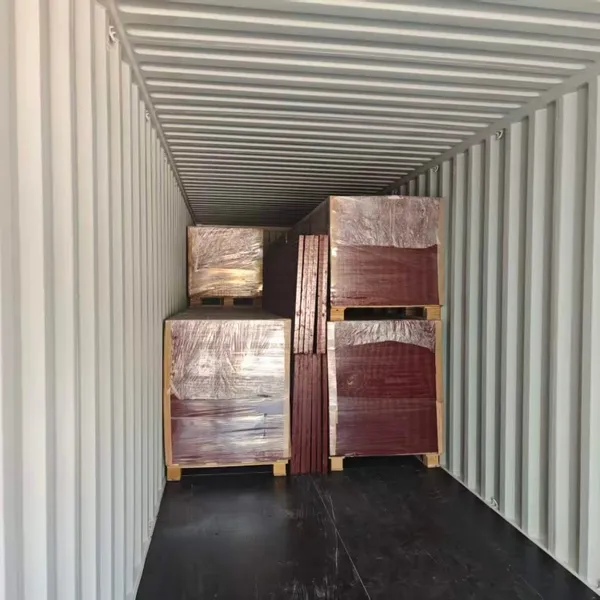 Read More
-
Buried Galvanized Tanks vs Concrete Cisterns
November 2, 2026A school in a coastal district replaced a leaking concrete cistern with a bolted galvanized tank, and the water stopped tasting of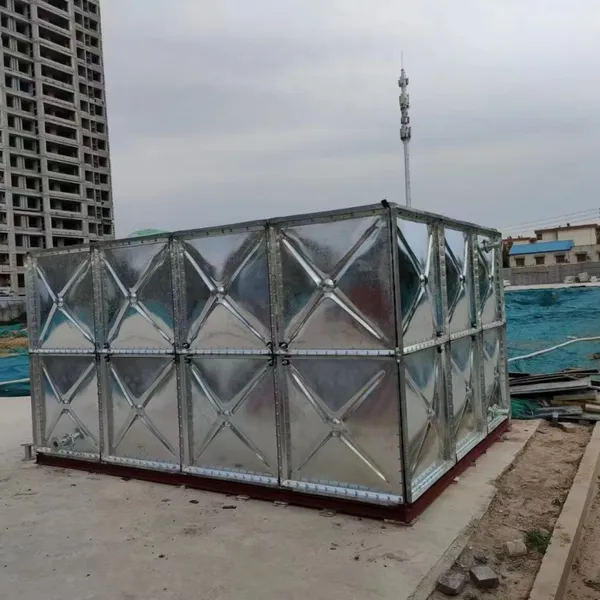 Read More

Contact Us
Recommended Products
-
 Desalination Plant FRP Grating Seawater Resistant Corrosion Proof Walkway PanelNegotiableMOQ: 300 Square Meters
-
Light High Strength Fiberglass Grating Coastal Dock WalkwayNegotiableMOQ: 100 Square Meters
-
Offshore Platform FRP Grating Saltwater Corrosion Resistant Oil Gas Deck FlooringNegotiableMOQ: 300 Square Meters
-
Fiberglass Reinforced Plastic FRP Grating for Industrial PlatformNegotiableMOQ: 100 Square Meters
-
Anti‑corrosion FRP Grating Production Proces 50mm FRP Grating PlateNegotiableMOQ: 300 Square Meters
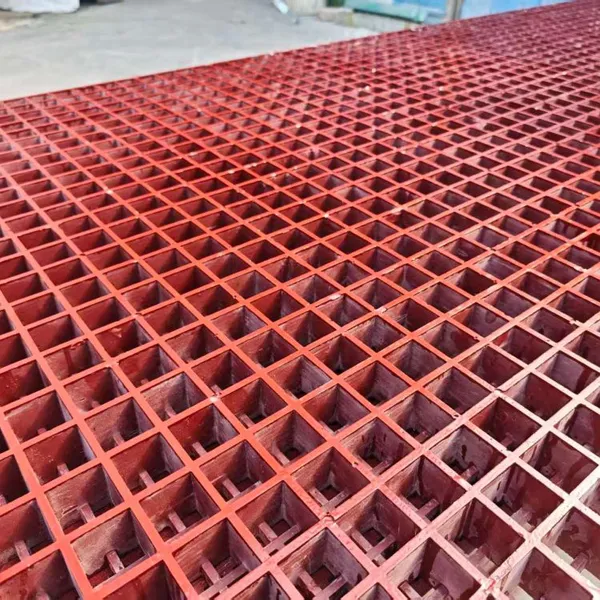
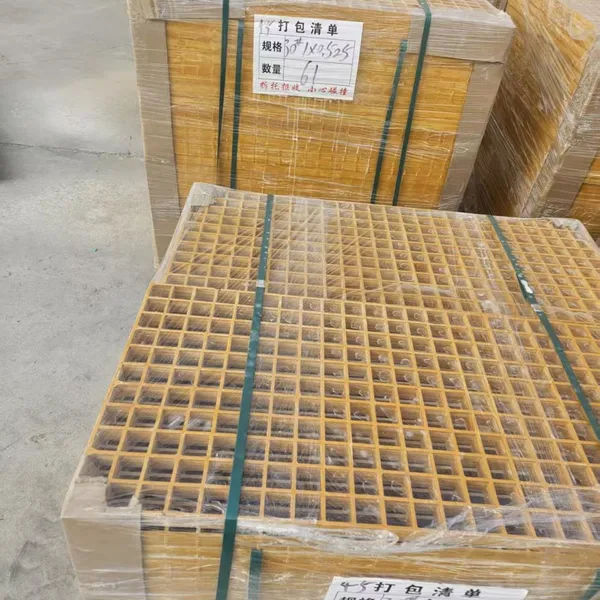
-
Professional SMC FRP Composite Bolted Panel Water Tank for Residential Rooftop TankNegotiableMOQ: 1 Cubic Meter
-
Easy Install SMC FRP Composite Bolted Panel Water Tank for Villa Rooftop Water StorageNegotiableMOQ: 1 Cubic Meter
-
High Quality SMC FRP Composite Bolted Panel Water Tank for Remote Area Water SupplyNegotiableMOQ: 1 Cubic Meter
-
Professional SMC FRP Composite Bolted Panel Water Tank for Rooftop Water StorageNegotiableMOQ: 1 Cubic Meter
-
Bulk Supply SMC FRP Composite Modular Panel Water Tank for Villa Rooftop Water StorageNegotiableMOQ: 1 Cubic Meter
-
Premium SMC FRP Composite Modular Panel Water Tank for Coastal Area Water TankNegotiableMOQ: 1 Cubic Meter
-
Cost Effective SMC FRP Composite Sectional Water Tank for Temporary Camp Water SupplyNegotiableMOQ: 1 Cubic Meter
-
Easy Install SMC FRP Composite Sectional Water Tank for Temporary Camp Water SupplyNegotiableMOQ: 1 Cubic Meter
-
Industrial Grade SMC FRP Composite Bolted Panel Water Tank for Rainwater Harvesting StorageNegotiableMOQ: 1 Cubic Meter
-
Bulk Supply SMC FRP Composite Modular Panel Water Tank for Coastal Area Water TankNegotiableMOQ: 1 Cubic Meter
-
Export Grade SMC FRP Composite Modular Panel Water Tank for Fishing Village Water StorageNegotiableMOQ: 1 Cubic Meter
-
New Design Porcelain Enamel Steel Bolted Panel Water Tank for Swimming Pool Heating Water StorageNegotiableMOQ: 1 Cubic Meter
-
Premium Porcelain Enamel Steel Bolted Panel Water Tank for Textile Plant Hot Water StorageNegotiableMOQ: 1 Cubic Meter
-
Heavy Duty Porcelain Enamel Steel Sectional Water Tank for Dairy Processing Hot WaterNegotiableMOQ: 1 Cubic Meter
-
Easy Install Porcelain Enamel Steel Bolted Panel Water Tank for Hot Water StorageNegotiableMOQ: 1 Cubic Meter