
 Business License

Ordering Stainless Grating Treads: Nosing and Fixing
A cold store expansion in Northern Europe ordered 120 stainless stair treads and lost nine working days when the panels arrived. The panels were sound. The bolt holes were not.
Shop drawings had been approved against a nominal stringer, but the fabricator had welded its angle cleats 12 mm further apart than the drawing assumed. Every tread needed redrilling on site, in 316 stainless, with hand tools and a queue of subcontractors waiting.
Two details drive most of that kind of trouble: the grating tread nosing detail and the tread fixing method. Both are usually settled on the last page of a drawing package, which is exactly where they cost the most to change.
1. Grating Tread Nosing Detail and Why It Is Specified
The nosing is the front edge of the tread, and it takes the first and hardest contact from every foot. A grating tread nosing detail defines three things: how far the nosing projects beyond the riser, what profile it uses, and how that profile is fixed to the tread bar.
Projection usually lands between 20 and 30 mm. Below that, the toe of a boot catches the riser. Above it, the nosing becomes a trip edge and a trap for debris on the step below.
Profile choice follows the environment. An angle section with a grit insert suits outdoor stairs and washdown areas. A folded strip with a ribbed face suits clean interior stairs where grit would be a nuisance. A plain flat strip is the least expensive and the least useful once it is wet.
A proper grating tread nosing detail also fixes the slip rating at the edge, which is where falls start. Pendulum values on a dry grit nosing sit near 0.8, and on a wet plain nosing near 0.35.
Junping keeps three nosing profiles on the shelf for tread orders, and each drawing package includes a section view of all three. A buyer who has never specified a grating tread nosing detail can pick the profile by looking at the environment rather than by decoding a part number.
2. Stainless Tread Order Basics: What the Drawing Must Show
A stainless tread order fails on missing information far more often than on price. Six items decide whether the panels fit: stair width, going and rise, tread depth, nosing projection, fixing hole position, and grade.
Going and rise are worth stating explicitly rather than leaving to a standard. Comfortable proportions sit near 250 to 300 mm going against 160 to 190 mm rise, and a stair that leaves the ratio to chance usually ends up with a 240 mm tread that feels short underfoot.
Hole position is the item most often left vague. A stainless tread order should carry the hole centre distance from the nosing edge, the hole diameter with tolerance, and the direction of the slot if slotted holes are used for site adjustment.
Grade belongs on the same drawing. Coastal and de-icing salt exposure point to 316 or 316L, while interior stairs in dry buildings sit comfortably in 304. Each item becomes a line on the stainless tread order, and a missing line turns into a decision made by whoever opens the crate on site.
| Drawing item | Typical value | Consequence if omitted |
|---|---|---|
| Tread depth | 225 to 300 mm | Standard panel substituted |
| Nosing projection | 20 to 30 mm | Trip edge or toe catch |
| Hole centre from nosing | 40 to 60 mm | Site redrilling |
| Hole diameter | 11 mm for M10 | Bolt will not pass |
| Grade | 304 or 316L | Wrong alloy delivered |
3. Tread Fixing Method Options Compared
Three fixing families cover most stairs, and the right one depends on what the stringer offers rather than on preference.
Bolted fixing passes a stainless bolt through the tread into a cleat or a tapped plate. It allows removal for maintenance and tolerates small site variation when the holes are slotted. Welded fixing gives the stiffest connection and the cleanest look, at the price of permanent installation and heat tint that must be cleaned and passivated. Saddle clips grip the bearing bar from below and need no hole in the tread at all.
Each has a failure mode worth knowing. Bolts loosen under vibration when no thread locking compound is used. Welds crack at the toe when the fit-up is forced. Clips slide when the clip material is softer than the bar.
Junping Environmental Protection Equipment punches slotted holes as standard on export treads unless a drawing calls for round ones. The extra 4 mm of adjustment costs nothing at the press and covers the tolerance that most erected steel carries.
| Method | Removable | Site tolerance | Relative labour |
|---|---|---|---|
| Bolted, slotted holes | Yes | Plus or minus 8 mm | 100 |
| Bolted, round holes | Yes | Plus or minus 2 mm | 110 |
| Welded | No | Plus or minus 1 mm | 145 |
| Saddle clip | Yes | Plus or minus 5 mm | 85 |
4. Nosing Geometry and Slip at the Tread Edge
Most stair falls begin within 50 mm of the nosing, so the geometry there deserves more attention than the tread field.
A nosing that sits flush with the riser removes the visual cue that tells a descending foot where the step ends. A projection of 20 to 25 mm restores that cue and lets the sole roll onto the tread instead of catching the edge.
Width matters too. A nosing strip narrower than 40 mm wears through its grit in heavy traffic, and once the grit is gone the edge behaves like bare stainless in water.
Nosing colour is a practical detail rather than a cosmetic one. A contrast strip at the edge helps visibility on a dim stair, and many public building specifications now call for that contrast as a separate line item.
5. Stainless Grade and Tread Finish Selection
Grade and finish decide how a stainless tread looks after two winters, and they are usually specified together.
Grade 304 covers interior and most urban exterior stairs. Grade 316L adds molybdenum and holds up against chloride, which matters within a few kilometres of a coast or wherever de-icing salt is used.
A mill finish shows scratches and fingerprints. A pickled and passivated finish restores the oxide layer after welding. A bead blasted finish hides scuffs on a public stair.
| Grade | Chloride exposure | Relative material cost | Typical location |
|---|---|---|---|
| 304 | Low | 100 | Interior, dry exterior |
| 316L | Moderate to high | 130 to 145 | Coastal, de-icing salt |
| Duplex | High plus mechanical load | 180 to 210 | Marine platforms |
6. Fixing Method for Concrete versus Steel Stringers
Concrete and steel stringers accept different connections, and a single fixing method rarely serves both sides of one stair.
A concrete stringer takes an anchor or a cast-in plate. Cast-in plates give the better tolerance, since the anchor position can be set within 5 mm before the pour. A drilled anchor in cured concrete is slower and depends on the drill operator. A steel stringer takes a welded cleat, a bolted clip angle or a direct weld to the tread.
Mixed stairs appear in refurbishment work, where one side lands on an existing concrete wall and the other on a new steel beam. In that case the tread needs two different connection details on the same drawing, and the stainless tread order must list them separately per side.
Anchor grade deserves its own line on the drawing. A stainless tread fixed with carbon steel anchors shows rust bleed within a year on an exterior stair, and the stain reads as a material failure even when the tread itself is sound.
7. Order Quantities and Tread Tolerance
Quantity is not simply the number of steps. Flights with a half landing need a landing panel, and a stair that changes width needs a transition piece.
Add 2 to 3 percent for cutting and damage on a large order, and keep one spare tread per flight on site. A single replacement tread ordered later carries full setup and packing cost, which can exceed the value of the panel itself.
Tolerance is the other number worth writing down. A cut length tolerance of plus or minus 3 mm and a hole position tolerance of plus or minus 1.5 mm are achievable in a stainless fabrication shop, and stating them turns a vague expectation into an acceptance criterion.
Packing follows the order shape. A tread 300 mm wide and 1200 mm long stacks four to a bundle with cardboard interleaves, while a 250 mm tread stacks five. Junping packs to the site lifting plan on request, because a bundle heavier than the unloading crane can handle creates a problem the buyer did not order.
8. Grating Tread Nosing Wear in Service
Nosing wear is predictable, and inspection intervals should follow traffic rather than calendar.
On a public stair at 2,000 passages a day, a grit insert can shed its aggregate within three to four years on the centre line. The wear pattern is uneven, which is why a full width strip wears more slowly than a narrow one at the same traffic.
A worn nosing does not announce itself. The grit thins, the surface polishes, and the friction value drops quietly until the first wet morning. A simple annual check with a rubber test foot at the nosing of three steps catches the transition before it becomes an incident.
Zaoqiang Junping Environmental Protection Equipment LLC supplies replacement nosing strips matched to the original profile, so a worn edge can be renewed without replacing the tread.
9. Bolt, Weld or Saddle: Choosing the Tread Fixing Method
Where the choice is still open, three questions settle the tread fixing method quickly.
First, will the stair ever come apart for maintenance or for a plant modification? If yes, welding is off the table. Second, how much site tolerance exists between the shop drawing and the erected steel? Above 5 mm, slotted bolting or saddle clips save a return visit.
Third, is the stair exposed to vibration from machinery? If so, bolted connections need thread locking and a re-torque step in the handover schedule.
A recent food plant stair some time ago used saddle clips on a powder coated steel stringer to avoid drilling 240 stainless treads on site. Installation ran roughly 30 percent faster than the bolted alternative, and the clips allowed each tread to be lifted for cleaning underneath.
10. FAQ: Stainless Tread Order Questions
10.1 What should a grating tread nosing detail include?
It should show the projection beyond the riser, the nosing profile and width, the fixing arrangement to the tread bar, and the surface treatment of the nosing face. Projection usually sits between 20 and 30 mm and width above 40 mm for heavy traffic. Adding the slip rating expectation to the same detail prevents a supplier from shipping a plain strip where a grit insert was intended, which is a common substitution when drawings leave the face finish open. A section view settles it faster than a written note.
10.2 How do I choose a tread fixing method for a steel stair?
Start from the tolerance you can actually hold on site. Welded cleats need fit-up within about 1 mm and cannot be adjusted later, so they suit shop built stairs that arrive on site as a single welded unit. Slotted bolting tolerates roughly 8 mm of variation and allows later removal for cleaning or inspection. Saddle clips sit in between and avoid drilling the tread entirely, though any bolted option on a vibrating stair needs thread locking compound and a re-torque step in the maintenance schedule.
10.3 What makes a stainless tread order go wrong?
The usual causes are a missing hole position, a grade left to the supplier, and a tread depth quoted as a range rather than a number. Each one produces a panel that is dimensionally sound but unusable. A complete stainless tread order states stair width, going, rise, tread depth, nosing projection, hole centre distance, hole diameter and grade. Sending a marked up stair drawing alongside the written specification closes most of the remaining gaps, and the hole schedule belongs in a table rather than in a note.
10.4 Is 304 adequate for an outdoor stainless stair?
In a dry inland city, yes. Within a few kilometres of a coast, or anywhere de-icing salt is spread, 316L is the safer choice because molybdenum resists chloride pitting. Tea staining on 304 outdoors is cosmetic and can be removed, but pitting at a weld or a scratch is not. Where the stair sits over a salt water pool or on a marine platform, duplex grades earn their cost through higher strength as well as corrosion resistance, and a mill test report confirms the chemistry before fabrication starts.
Recently Posted
-
Car Wash Grating Layout: Slope, Pit Depth and Flow
November 3, 2026A three bay site opened with new grating over the old pit, and by the second weekend water stood 40 mm deep at the entrance to bay Read More
-
SMC Water Tank Panel Thickness and Pressure Ratings
November 3, 2026A contractor in East Africa specified a 4 metre high panel tank on one 8 mm wall schedule from top to bottom, because the drawing Read More
-
Sourcing FRP Grating: MOQ, Lead Time and Inspection Points
November 3, 2026A buyer in Southeast Asia ordered 120 square meters of molded grating and asked for a delivery date in three weeks. The supplier c Read More
-
Buried Galvanized Tanks vs Concrete Cisterns
November 2, 2026A school in a coastal district replaced a leaking concrete cistern with a bolted galvanized tank, and the water stopped tasting of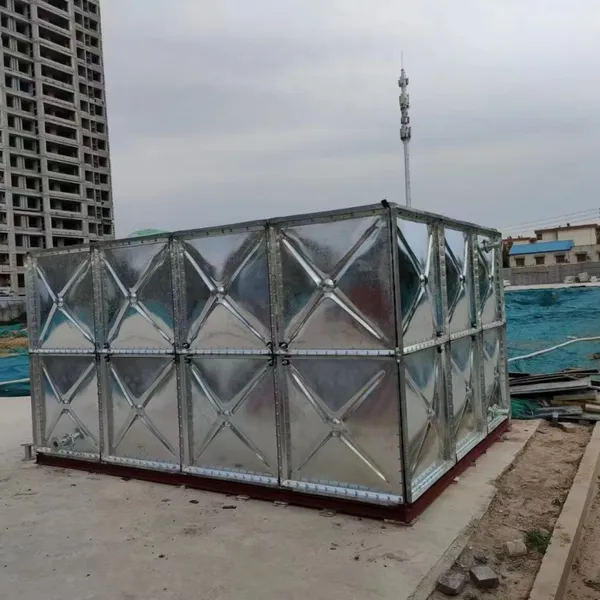 Read More

Contact Us
Recommended Products
-
 Desalination Plant FRP Grating Seawater Resistant Corrosion Proof Walkway PanelNegotiableMOQ: 300 Square Meters
-
Light High Strength Fiberglass Grating Coastal Dock WalkwayNegotiableMOQ: 100 Square Meters
-
Offshore Platform FRP Grating Saltwater Corrosion Resistant Oil Gas Deck FlooringNegotiableMOQ: 300 Square Meters
-
Fiberglass Reinforced Plastic FRP Grating for Industrial PlatformNegotiableMOQ: 100 Square Meters
-
Anti‑corrosion FRP Grating Production Proces 50mm FRP Grating PlateNegotiableMOQ: 300 Square Meters
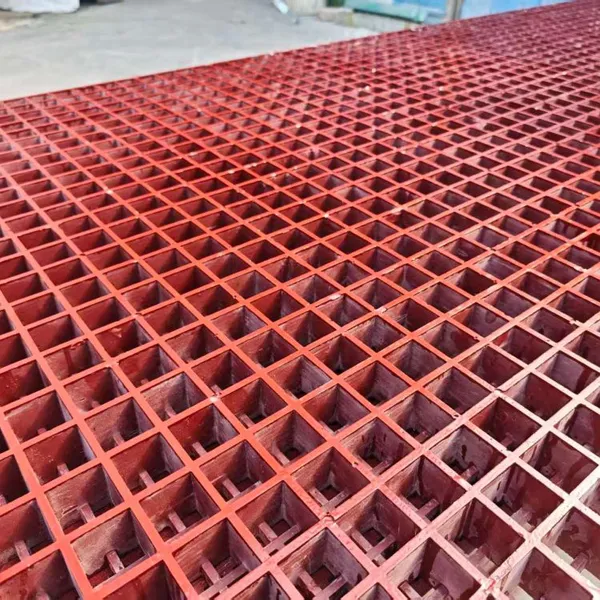
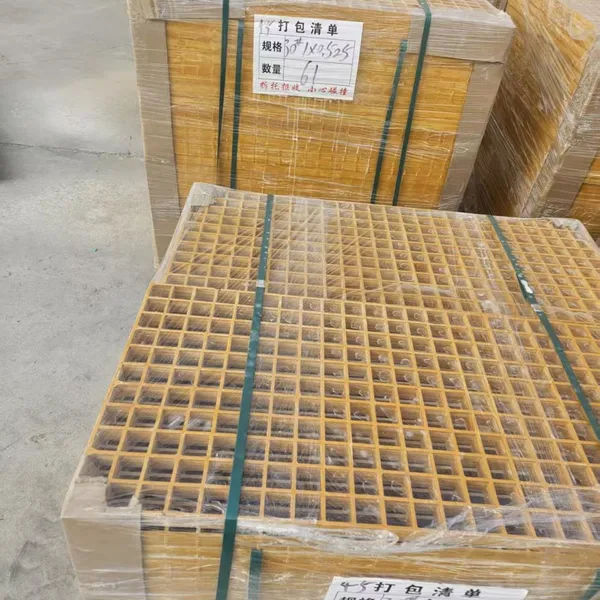
-
Professional SMC FRP Composite Bolted Panel Water Tank for Residential Rooftop TankNegotiableMOQ: 1 Cubic Meter
-
Easy Install SMC FRP Composite Bolted Panel Water Tank for Villa Rooftop Water StorageNegotiableMOQ: 1 Cubic Meter
-
High Quality SMC FRP Composite Bolted Panel Water Tank for Remote Area Water SupplyNegotiableMOQ: 1 Cubic Meter
-
Professional SMC FRP Composite Bolted Panel Water Tank for Rooftop Water StorageNegotiableMOQ: 1 Cubic Meter
-
Bulk Supply SMC FRP Composite Modular Panel Water Tank for Villa Rooftop Water StorageNegotiableMOQ: 1 Cubic Meter
-
Premium SMC FRP Composite Modular Panel Water Tank for Coastal Area Water TankNegotiableMOQ: 1 Cubic Meter
-
Cost Effective SMC FRP Composite Sectional Water Tank for Temporary Camp Water SupplyNegotiableMOQ: 1 Cubic Meter
-
Easy Install SMC FRP Composite Sectional Water Tank for Temporary Camp Water SupplyNegotiableMOQ: 1 Cubic Meter
-
Industrial Grade SMC FRP Composite Bolted Panel Water Tank for Rainwater Harvesting StorageNegotiableMOQ: 1 Cubic Meter
-
Bulk Supply SMC FRP Composite Modular Panel Water Tank for Coastal Area Water TankNegotiableMOQ: 1 Cubic Meter
-
Export Grade SMC FRP Composite Modular Panel Water Tank for Fishing Village Water StorageNegotiableMOQ: 1 Cubic Meter
-
New Design Porcelain Enamel Steel Bolted Panel Water Tank for Swimming Pool Heating Water StorageNegotiableMOQ: 1 Cubic Meter
-
Premium Porcelain Enamel Steel Bolted Panel Water Tank for Textile Plant Hot Water StorageNegotiableMOQ: 1 Cubic Meter
-
Heavy Duty Porcelain Enamel Steel Sectional Water Tank for Dairy Processing Hot WaterNegotiableMOQ: 1 Cubic Meter
-
Easy Install Porcelain Enamel Steel Bolted Panel Water Tank for Hot Water StorageNegotiableMOQ: 1 Cubic Meter